
Health Literacy Month: 10 Medical Terms Caregivers Should Know

-
Why it matters: Medical language can leave caregivers nodding along without fully understanding. Health Literacy Month is a reminder that clear communication is part of good care, and that caregivers can always ask for plain words.
Insurance terms: Prior authorization, medical necessity, and explanation of benefits (EOB). What each one means, why approvals and denials happen, and how to track dates, names, and paperwork.
Care and nutrition terms: Enteral nutrition (tube feeding), including NG, G, and J tubes and how it differs from parenteral nutrition. Aspiration, including warning signs and when to call 911.
Planning and home care terms: Advance directive, plan of care, and private duty nursing (PDN), including how PDN differs from home health and personal care aides.
Day-to-day terms: Baseline and PRN. Why "this is different from usual" is valuable information, and which questions to ask about as-needed medications.
Questions to ask: Four questions that help caregivers confirm understanding, including the teach-back method.
Takeaway: Asking for clarity is part of caregiving. A downloadable cheat sheet is included.
If you care for someone with complex medical needs, you have probably nodded along in an appointment while a medical term sailed past you. Medicine has its own language, and nobody hands caregivers a dictionary on day one. October is Health Literacy Month, a good time to remember that understanding health information is a skill that grows with practice and support. It is also a shared responsibility. Clear communication is part of good care, and you have every right to ask someone to explain a term in plain words.
Here are ten medical terms caregivers hear often, what they mean, and a few questions that can help you get more out of the conversation.
1. Prior Authorization
This is one of the most common sources of frustration, so it comes first. Prior authorization means your insurance company has to approve a medication, service, or piece of equipment before it will help pay for it. Your provider usually submits the request, and the insurer reviews it.
It can feel like a roadblock, and sometimes it is. But knowing this medical term helps you understand why something ordered by a doctor might not arrive right away. If you are waiting on an approval, ask who submitted the request, when it went in, and who you should contact for updates. Keeping a simple note with dates and names can save you a lot of time on the phone.
2. Medical Necessity
You will often see this medical term attached to prior authorizations and coverage decisions. Medical necessity is the standard insurers use to decide whether a service or item is needed to diagnose or treat a condition. In other words, they want to see that it is appropriate and needed for the patient's health, not a convenience.
What matters most here is documentation. Your provider's notes, test results, and clinical reasoning are what support a request. If a claim is denied for lack of medical necessity, that does not always mean the answer is final. Ask what information was missing and whether your provider can send more. Many denials are reversed on appeal.
3. Explanation of Benefits (EOB)
An explanation of benefits is a statement from your insurance company showing what was billed, what the plan paid, and what you may owe. It is not a bill, though it is easy to mistake for one, and it often arrives looking a lot like the real thing.
Read it alongside the actual bill from the provider. Check that the dates, services, and names match what happened. If something looks wrong, call the insurer and the provider's billing office before paying. Keeping EOBs in one folder or a phone photo album makes it much easier to catch errors and to keep track of yearly costs like deductibles.
4. Enteral Nutrition
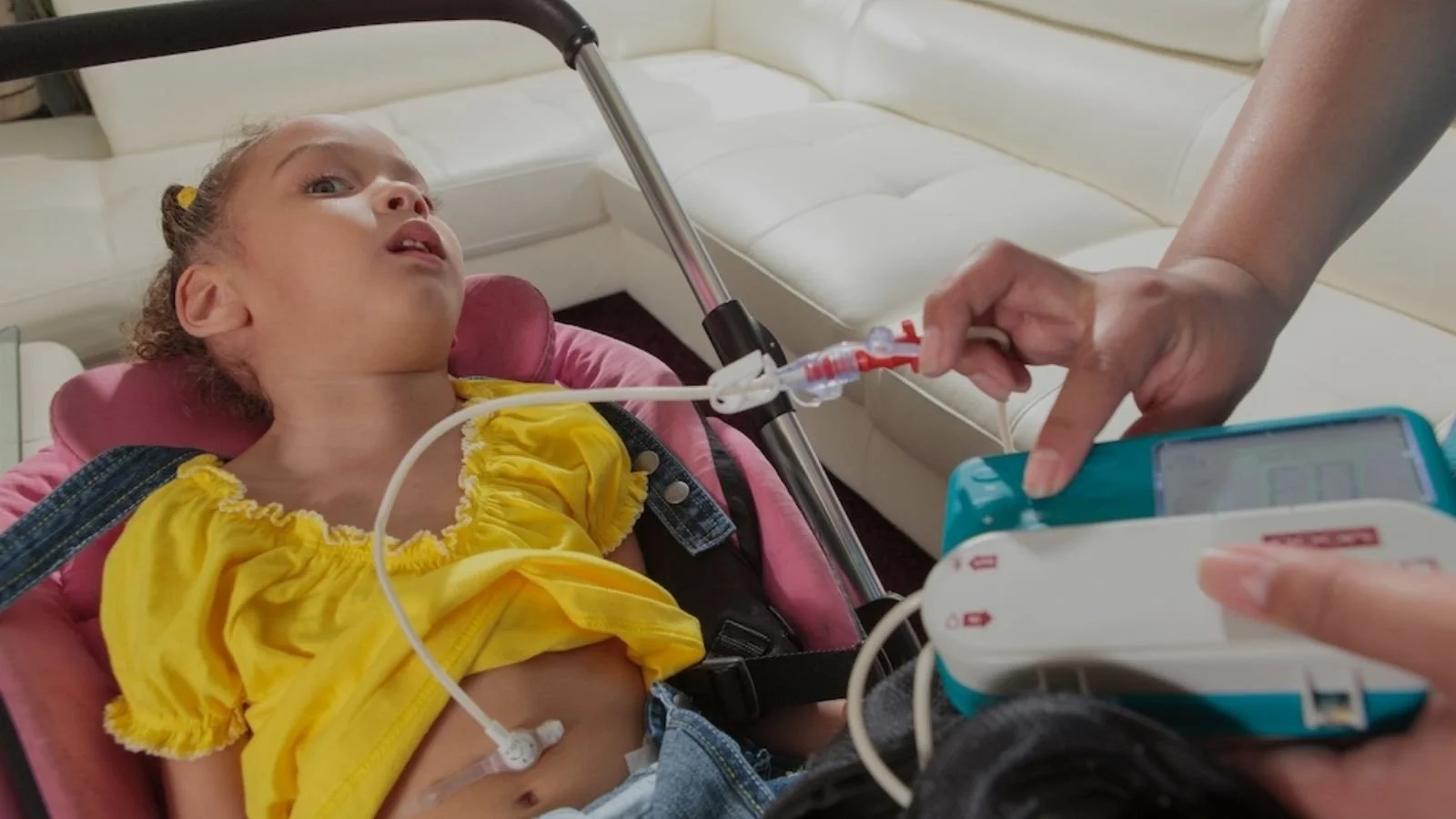
Enteral nutrition means getting nutrition through the digestive tract, most often by a feeding tube. You may hear it called tube feeding. The tube might go through the nose (an NG tube), directly into the stomach (a G-tube), or into the small intestine (a J-tube). The formula that goes through it is designed to give the body the calories, protein, and nutrients it needs.
You might also hear the word parenteral, which sounds similar but means nutrition delivered through a vein. The two are quite different, so if you are ever unsure which one someone is talking about, it is fine to stop and ask. Tube feeding can feel overwhelming at first, but many caregivers find it becomes a steady part of the day once they have training and a good support team behind them.
5. Advance Directive
An advance directive is a legal document that spells out a person's wishes for medical care if they cannot speak for themselves. It often includes a living will, which covers treatments they would or would not want, and a health care power of attorney, which names the person who can make decisions on their behalf.
Many caregivers find this topic hard to raise, and that is understandable. Still, having these conversations early takes pressure off everyone later. Ask your care team whether a directive is on file, where copies are kept, and who has one. Keep a copy at home and bring one to hospital visits.
6. Aspiration
This is a medical term every caregiver of a medically complex patient should know. Aspiration happens when food, liquid, saliva, or stomach contents go into the airway or lungs instead of down toward the stomach. It can lead to serious problems, including lung infections.
Signs can include coughing or choking during or after feeds, a wet or gurgly voice, trouble breathing, or a fever that appears without another clear cause. Sometimes aspiration is quiet, with very few obvious signs. Ask your care team what to watch for with your specific patient, and how to position them during and after feeds. If someone is struggling to breathe, call 911.
7. Plan of Care
A plan of care is the written roadmap for a patient's treatment. It usually lists the diagnoses, goals, medications, therapies, equipment, and who is responsible for what. It also spells out how often care should happen.
Here is the part many caregivers do not realize: you can ask to see it. A plan of care is meant to be reviewed and updated as the patient's needs change. If something in it does not match what is happening at home, say so. You are the person who sees the day-to-day reality, and that information belongs in the plan.
8. Private Duty Nursing (PDN)
Private duty nursing is skilled nursing care provided in the home, delivered by a registered nurse (RN) or licensed vocational nurse (LVN). It is meant for patients whose medical needs are complex enough that they benefit from hours of nursing care, not a short visit.

This is different from a home health visit, which is usually brief and happens on a set schedule. It is also different from a personal care aide, who helps with daily activities like bathing and dressing but does not perform skilled nursing tasks. A PDN nurse might manage a ventilator, give medications through a feeding tube, monitor vital signs, and recognize when something is changing and needs a call to the physician. To learn more about private duty nursing read our blog “What to Expect from Private Duty Nursing”.
9. Baseline
Clinicians use this word constantly, and it is one of the most useful to understand. A patient's baseline is what is normal for them. That includes things like their usual breathing pattern, heart rate, skin color, energy level, alertness, and even the way they typically sound.
Baseline is different for everyone. What looks concerning in one patient may be completely typical for another. That is why your observations matter so much. When you call a nurse or doctor, saying "this is different from how they usually are" gives them valuable information, sometimes more valuable than a single number. If no one has talked with you about your patient's baseline, it is worth asking what to consider normal and what should prompt a call.
10. PRN
PRN comes from the Latin phrase pro re nata, which means "as needed." You will see it on medication lists and orders. A PRN medication is not given on a fixed schedule. It is given when a certain situation comes up, such as pain, nausea, or a breathing treatment when symptoms flare.
The details are what make PRN tricky. Before you leave an appointment or hang up with a pharmacy, ask what symptoms call for the medication, how much to give, how long to wait between doses, and the most that can be given in a day. Writing those answers down where you can find them at 2 a.m. is a small step that brings real peace of mind.
Ask Questions
If there is one thing to take away from Health Literacy Month, let it be this: asking for clarity is part of caregiving, not a sign that you are behind. Here are some questions to ask to confirm you understand what is being said by clinicians:
"Can you explain that in plain language?"
"Can you show me what you mean?"
"Can I tell you what I heard, so you can make sure I got it right?"
"Who do I call if I have questions once I am home?"
That last technique, sometimes called teach-back, is one many clinicians welcome. Repeating information in your own words helps confirm you understood, and it gives the care team a chance to fill in gaps. Bring a notebook or use your phone to record questions as they come up between appointments. Caregivers carry so much, and you should not have to also carry the burden of decoding jargon on your own.
The people caring for your loved one want you to feel confident. When a word or instruction is unclear, that is a communication gap, not a failure on your part.
NOTE: This post is for general educational purposes and is not a substitute for medical advice. Always talk with your care team about your patient's specific needs.