
Nurse in the Home: More Than Medical Support

-
What It Looks Like: Private duty nursing is one-on-one, in-home care from a licensed nurse, often for hours at a stretch and sometimes around the clock. Sentido Home Health cares for pediatric and adult patients with needs like tube feeding, ventilator dependence, tracheostomy care, and seizure disorders.
The Part Beyond the Chart: A nurse in the home shares the load of constant vigilance. Parents can focus on parenting, siblings get more attention, and caregivers get real breaks.
Continuity: Consistent nurses learn what's normal for each patient, so subtle changes in color, breathing, or energy get noticed early. Sentido Home Health keeps the same nurses with the same patients whenever possible, and the TubieTalk community extends that support beyond the home.
Who It's For: Medically complex children (tube-fed, ventilator-dependent, cerebral palsy, epilepsy) and adults (recovery from major illness or surgery, ALS and other degenerative conditions, aging adults who want to stay home).
How It Differs From Home Health: Home health is short, scheduled visits with a specific goal. Private duty nursing is built for ongoing presence when a few visits a week aren't enough.
A Day in the Home: A sample day for a tube-fed child, from reviewing overnight feeding logs and managing pump cycles to helping with therapy exercises and documenting for the care team, plus the everyday moments like reading together or keeping a child calm before an appointment.
Where We Serve: Sentido Home Health provides private duty nursing across Texas & Colorado. Contact us to see if we serve your area.
Ask most people what private duty nursing looks like, and they'll describe the clinical side: vitals, medications, charting. All of that is real, and it's essential. But for caregivers looking after a medically complex loved one at home, a nurse in the house touches so much more than the care plan can capture. It shows up in how well everyone sleeps, in whether a parent can be fully present with their other kids, and in whether this can be sustained months and years down the road.
What Private Duty Nursing Looks Like
Private duty nursing is one-on-one, in-home care from a licensed nurse for someone with complex medical needs. It isn't a twenty-minute visit to check a wound or adjust a medication schedule. It's sustained, hands-on care, often for hours at a stretch, sometimes around the clock.
At Sentido Home Health, that means caring for both children and adults with serious medical needs: tube feeding, ventilator dependence, tracheostomy care, seizure disorders, and similar conditions. A private duty nurse is physically present to monitor, respond, and manage care in real time. That includes:
Managing feeding pumps and troubleshooting tube feeding issues as they happen
Monitoring oxygen levels and ventilator settings through the night
Administering medications and treatments on precise schedules
Catching early warning signs of a medical event before it turns into an emergency
Coordinating with physicians, therapists, and the rest of the care team
Documenting changes in condition so nothing gets lost between shifts or appointments
The Part That Doesn't Show Up on a Chart
Caring for a medically fragile loved one doesn't run on set hours. It follows caregivers through errands, into the shower, into the middle of the night. Sustaining that level of vigilance alone, for months or years, wears people down. A nurse in the home shares that weight. Parents get more room to be parents instead of managing equipment. Siblings get more attention. Caregivers get an actual break.
That's why we treat private duty nursing as support for the household, not just the patient named on the care plan.
Continuity Matters
One of the biggest advantages of private duty nursing is continuity. When the same nurse, or a small, consistent team, cares for someone over weeks and months, they learn what's normal for that person, which makes it much easier to catch what's not: a change in color, a shift in breathing, a drop in energy that wouldn't trip an alarm but still matters.

That kind of familiarity is hard to build in a hospital, where staff rotate and patients are one of many. Sentido Home Health tries to keep the same nurses with the same patients whenever possible, for exactly this reason. It also builds trust over time, especially for kids who do better with familiar faces than new ones.
Continuity extends past the home, too. Our TubieTalk community connects families managing tube feeding and other complex needs with each other, so they have people who understand daily life with a medically complex child, not just clinical support.
Who Private Duty Nursing Is For
Private duty nursing covers a wide range of patients. On the pediatric side, it's common for medically complex kids who are tube-fed, ventilator-dependent, or managing conditions like cerebral palsy or epilepsy. On the adult side, it serves people recovering from major illness or surgery, those living with chronic or degenerative conditions like ALS, and aging adults who want to stay in their own home but whose needs have outgrown what family can safely manage alone.
Every situation looks different day to day. The goal stays the same: keep the person where they're most comfortable, cared for by someone qualified to meet their needs.
How It's Different From Home Health
"Private duty nursing" and "home health" get used interchangeably, but they're not the same thing. Home health is typically short, scheduled visits a few times a week, aimed at a specific goal like wound care or medication management after a hospital discharge. It's valuable, but it's intermittent by design.
Private duty nursing is built for ongoing presence: situations where a few visits a week aren't enough, and someone needs a trained professional there for hours at a time, sometimes overnight, sometimes around the clock.
Care That Sees the Whole Picture
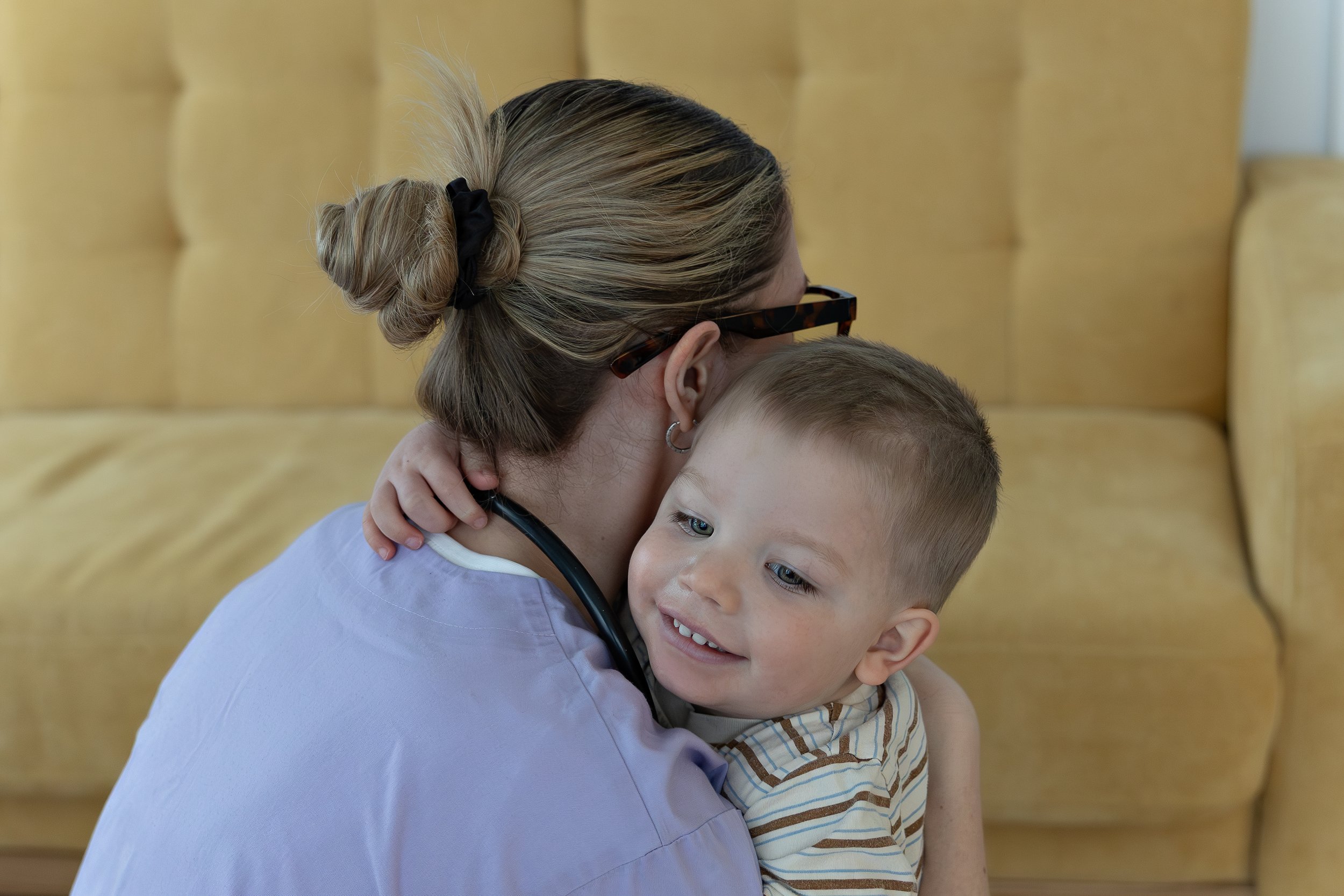
Private duty nursing exists because medical needs don't pause for convenience, and because home is where most people manage daily life best. Its value goes beyond clinical accuracy. It also changes how much support a family has, and how sustainable caregiving is over time.
Sentido Home Health provides private duty nursing for pediatric and adult patients across Texas & Colorado. If you're weighing your options or want to talk through what care could look like for your family, reach out to our team.