
Feeding Tube Awareness Week 2026
-
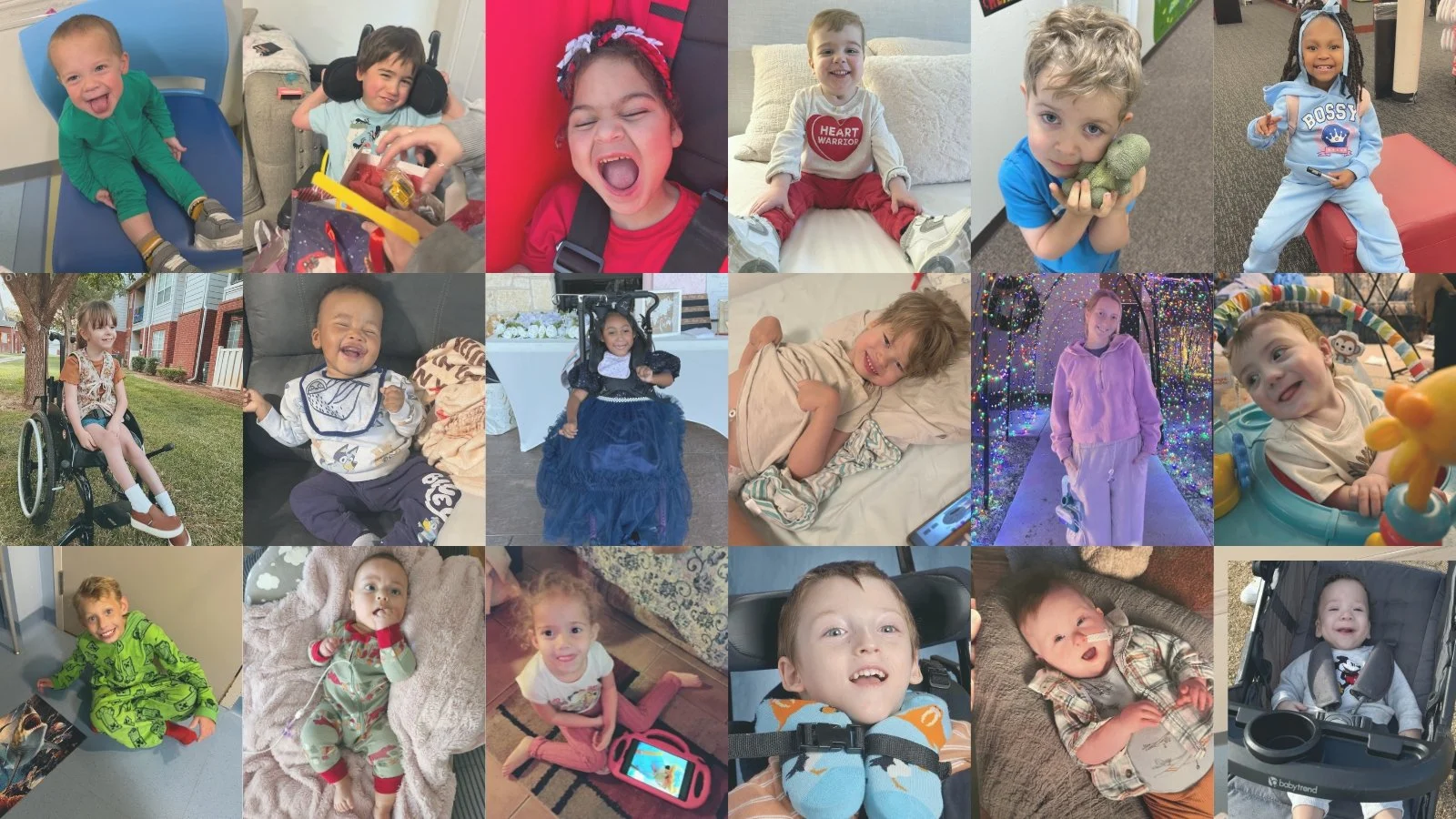
Feeding Tube Awareness Week 2026 highlights the real experiences of patients and families living with tube feeding.
There is no single “right” way to tube feed. Every family’s journey looks different, and routines evolve over time.
Tube feeding supports nutrition, growth, and quality of life and does not limit connection, family time, or everyday activities.
Support matters. Care teams, DME providers, and the tube feeding community can help families feel more confident and less alone.
Education, shared experiences, and reliable resources can make tube feeding feel more manageable.
Sentido Health supports tube fed patients and families as a trusted DME provider, offering supplies, education, and ongoing guidance.
Feeding Tube Awareness Week is a time to pause, reflect, and recognize the many families and individuals who rely on enteral nutrition every day. It is also an opportunity to share clear information, offer encouragement, and remind the tube feeding community that support is available at every stage of the journey.
Whether tube feeding is brand new to your family or has been part of your routine for years, this week is about connection, understanding, and confidence.
Tube Feeding is a Tool for Nourishment
Tube feeding, also known as enteral feeding, is a way to provide nutrition, hydration and medication when eating by mouth is not safe or sufficient. Feeding tubes support infants, children, and adults with a wide range of medical needs, from swallowing difficulties to gastrointestinal and neurological conditions.
For many families, tube feeding is a lifeline that helps ensure consistent nutrition, supports growth and energy, and removes some of the daily stress that can come with feeding challenges. Over time, it often becomes just one part of everyday life rather than the center of it.
Feeding Tube Awareness Week Stories
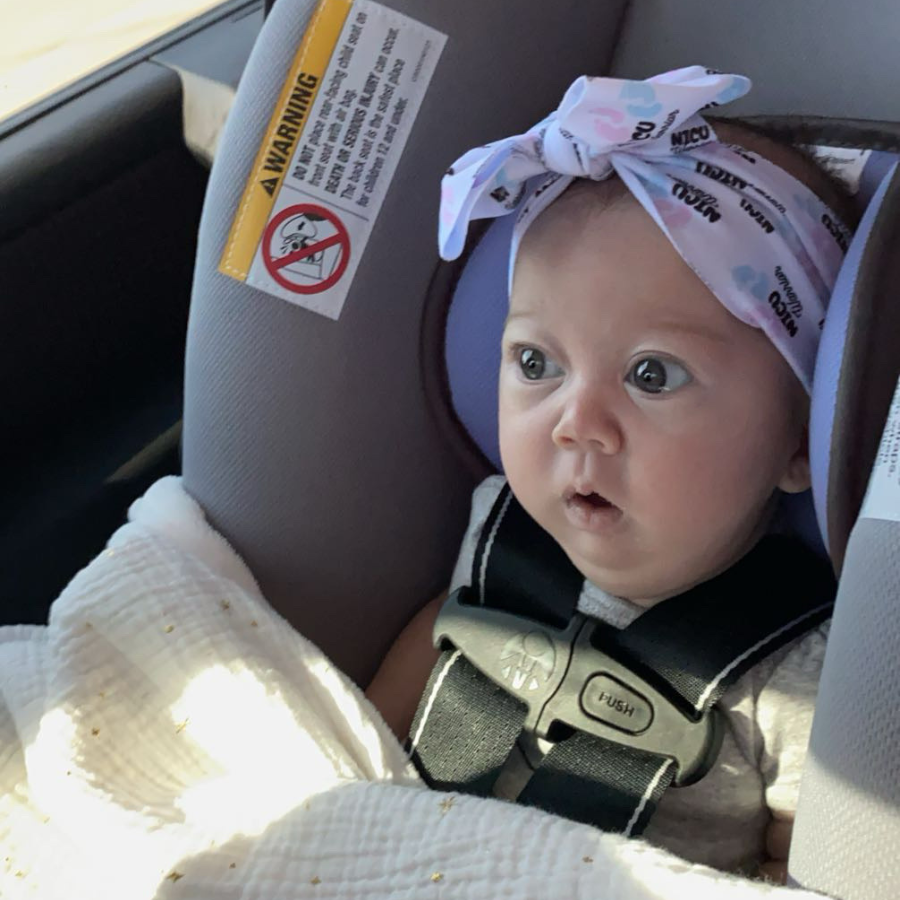
Liliana To
Liliana was born with a stickler syndrome and a cleft palette. She was taken to a hospital that could accommodate her with a feeding tube and oxygen Liliana was there for two months.
She would’ve not been able to come home if we hadn’t gotten the G-tube. We are beyond thankful that she was able to come home and be a part of our every day. It’s all because we got the g tube that we are able to have her home.

Xavier Mcgraw
Xavier Cass McGraw was born on December 19, 2020, and he looked healthy at first glance, but that wasn’t the case. He was diagnosed with Bainbridge ropers syndrome, Hirschsprung’s disease, setd5, and flg. With all these diagnoses has brought on heart problems seizures and feeding issues. He’s been mostly G-tube fed for the majority of his five years.
These supplies have changed our daily life. On difficult days when my son isn’t able to eat, I don’t have to wake up with fear or uncertainty about how he will get nutrition.
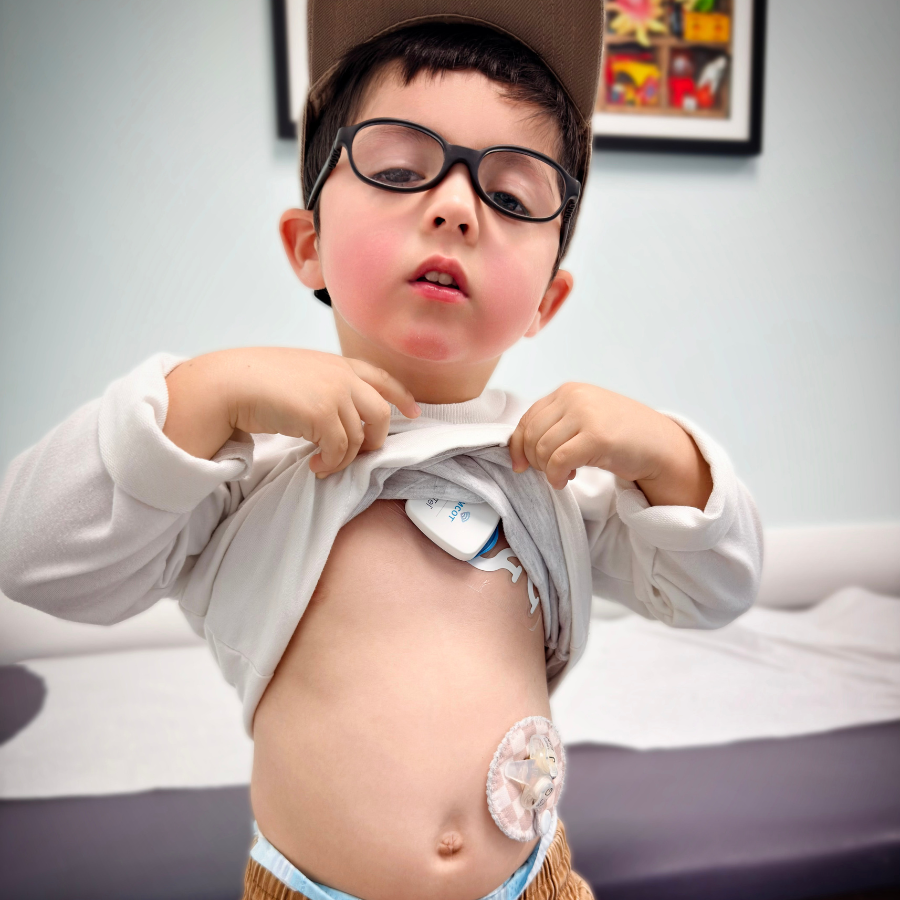
Caleb Clark
In July 2024, Caleb received his G-tube. Just a few months later, in November, his journey changed again when he needed a GJ-tube. Some days, his feeding tube feels like the center of our world. It keeps him nourished, helps his body grow, and gives him strength—but it also comes with hard moments, worry, and learning curves we never expected.
And yet… Caleb is still just a little boy. He wrestles with his brothers like nothing can stop him. He lines up his trucks and cars with purpose. He wants independence, movement, and control over his own little world.
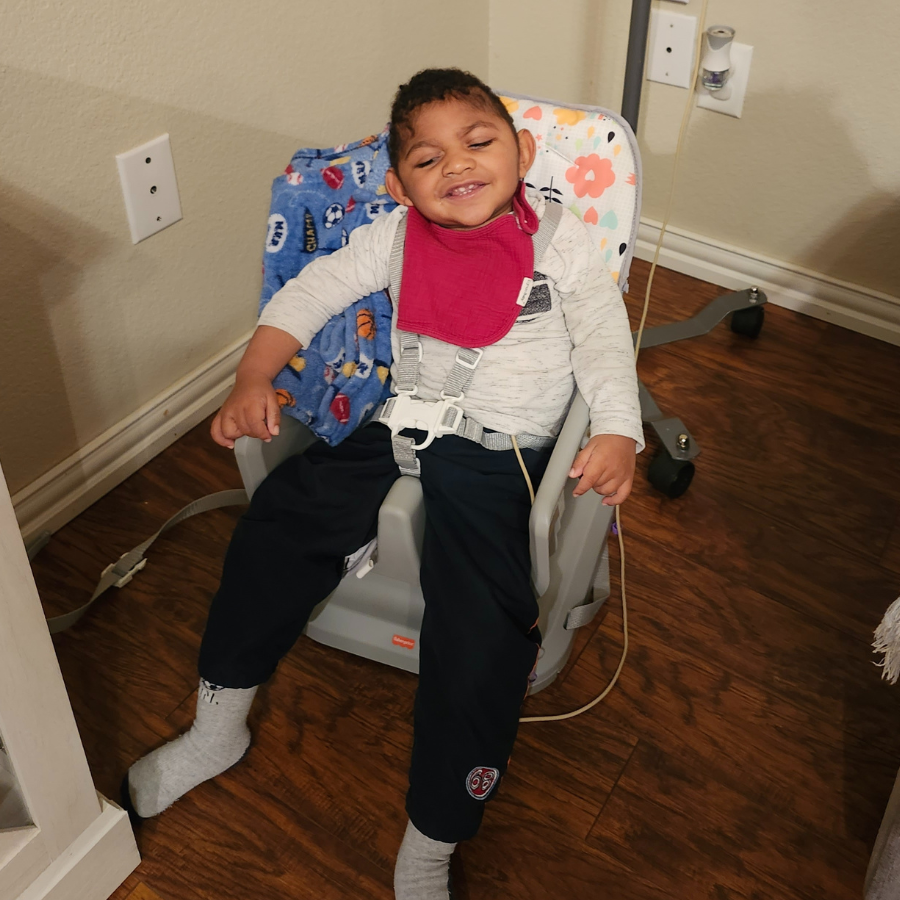
Ethan Tegland
Ethan was born healthy but at only six weeks old he was involved in a terrible car accident who took the life of his brother. Ethan suffered suptential brain injury and was not expected to live.
But just like his name Ethan (strong) he is a fighter. Because of his injuries Ethan cannot eat anything by mouth. For the first year after his injury, he had an NG tube inserted through his nose and after a year we decided a g button will be safe and convenient for long-term care. Ethan has been able to get all the nutrients and food that he needs to grow healthy and strong.
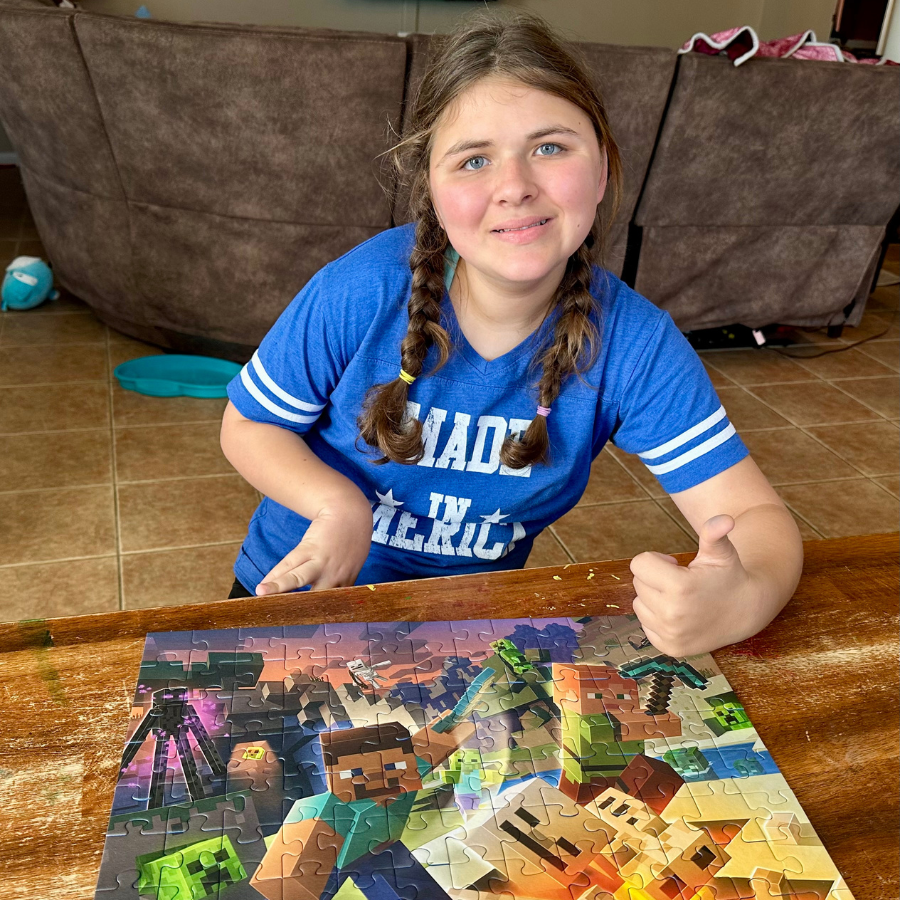
Ellie Falgout
Ellie can live a happy and healthy life thanks to her g-tube. Ellie was born with a brain disorder called Moyamoya Disease that caused her to have around eight strokes before the age of 2.
Even though the vessels in her brain don’t work the way that they should, two brain surgeries and keeping Ellie well hydrated with her g-tube has resulted in her not having any more strokes.
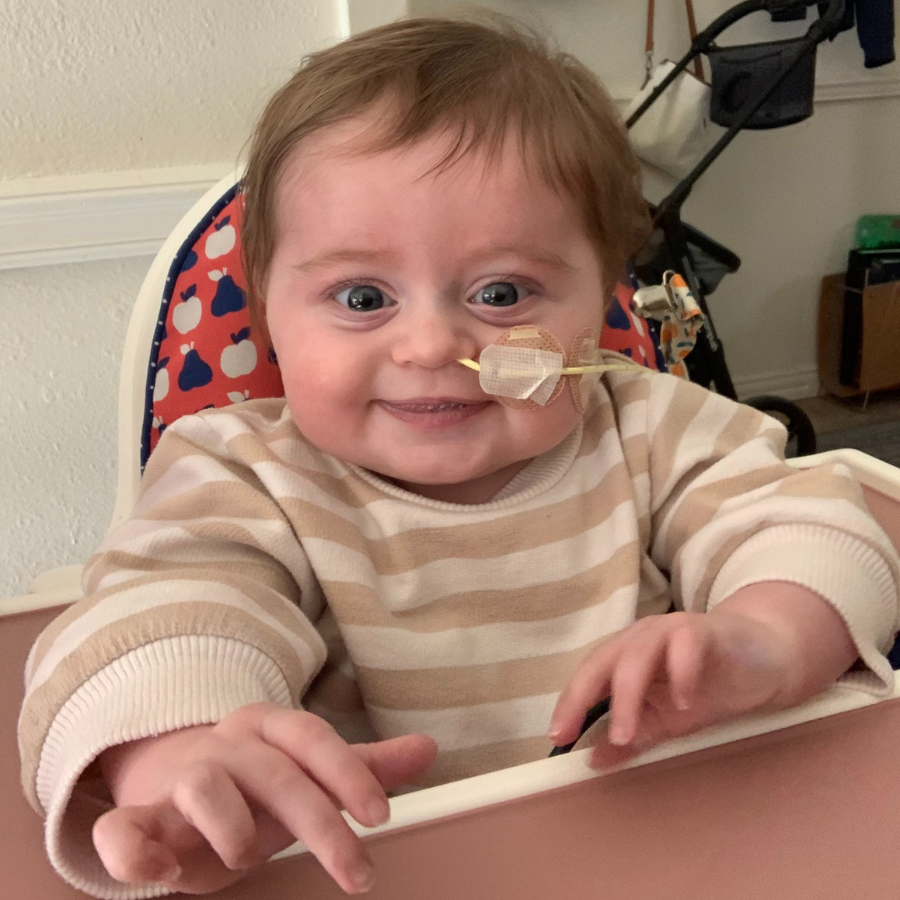
Ava Machiavello
Ava is seven months old and has had her NG tube since she was one week old. She is a very active and happy baby. She loves people and watching crowds. Chewy teethers are her favorite toys!
After having two open heart surgeries, Ava was much too tired to ever eat on her own, so having an NG tube has saved her life and allowed her to grow and thrive!
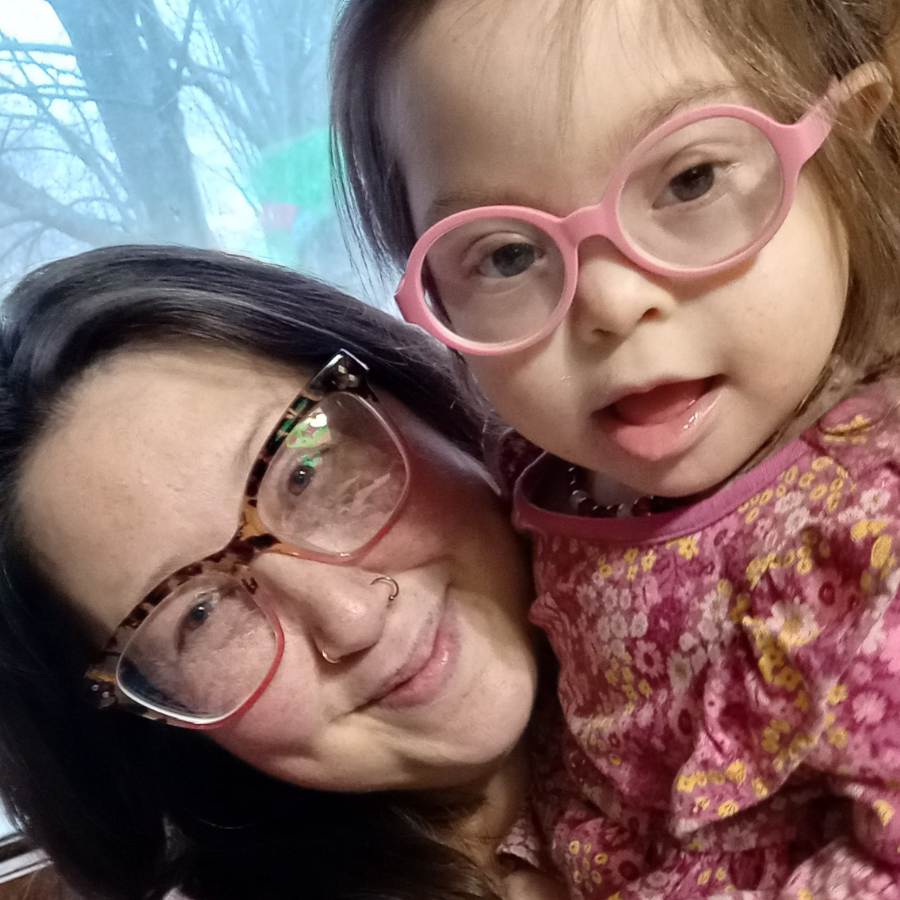
Rain Dean
Rain was born six weeks early and has Down syndrome. Due to her low muscle tone and lack of being able to suckle, a g-tube was put in place before she was discharged from the NICU. Rain is able to get the nutrients she needs to grow and sustain a healthy diet. This allows her to thrive and keep growing strong.
She is now two in a half, loves music, story time, playing roll catch with a ball, and enjoys bubbles and balloons.
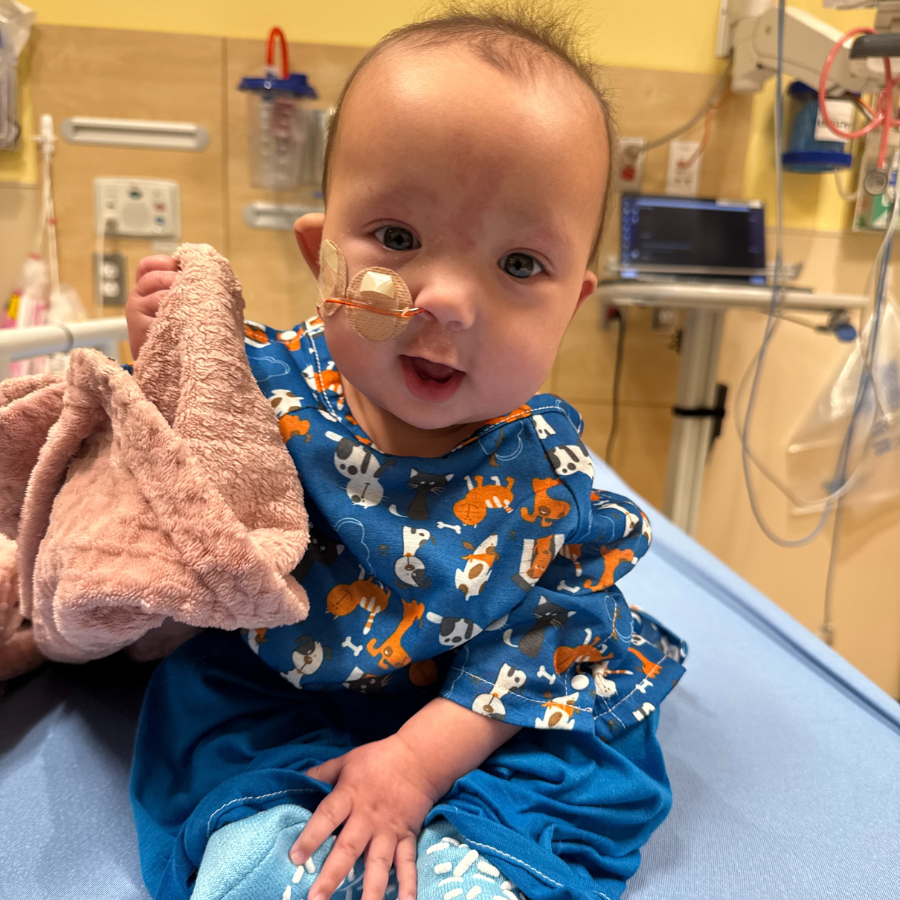
Rya Melton
Rya was born premature at 35 weeks. Since the moment she was born she has gone through trials and tribulations with her health including feeding troubles. Multiple hospitalizations and surgeries all help her grow and thrive.
She will be 1 year old on February 5 and is full of life, life, and energy. She loves playing with her big sister and cuddling with mom and dad.

Chase Finley
Chase was premature by two months with a month's stay in the NICU. Despite those challenges, he came home a happy baby boy. A little after year one, Chase experienced a medical emergency that required a blood transfusion and the placement of a feeding tube.
Present day, Chase still faces obstacles with oral aversions but is thriving exceptionally due to his feeding tube. He enjoys basketball, coloring and the outdoors, whether that be outdoor activities and/or simply exploring.
For Families New to Tube Feeding
If you are new to tube feeding, it is normal to feel overwhelmed at first. There is a lot to learn, and it can feel like everything happens at once. Many families share that the early days are filled with questions, uncertainty, and a steep learning curve.
What most families also discover is that confidence grows with time and support.
Learning how the tube works, how feeds are given, and how to troubleshoot common issues helps turn unfamiliar routines into manageable ones. Asking questions, revisiting education, and leaning on trusted resources all play a role in that process.
If you are just getting started, you may find it helpful to explore educational guides such as:
Advice From Our Tube Fed Patients
“Ask questions celebrate every milestone and remember that your tubie is just as capable, curious, and lovable as any other baby. You’ve got this!”- Sheryl Herrera (Parent of Luciano Waddell)
“We are still new to the tubie life but finding a good DME is super important. Sentido got us everything we needed after the last DME left us without supplies and formula for 7 weeks. Join an online tubie community. The experience of other parents is invaluable, and they can answer questions, give advice, help troubleshoot, and offer support.” - Michelle Murray (Parent of Meg Murray)
“Don’t be afraid of tube feeding. Once you find your rhythm, it all just becomes a natural part of your daily life.” - Hannah Peters (Parent of Clayton Peters)
“Give yourself some grace and do not burden yourself with guilt or shame. There are so many resources available to assist not only your child(ren) but you as well. Please take advantage of any help offered in addition to any learning tools provided and remember, there's never too many questions to ask.” - Shemecia Lewis (Caregiver of Chase Finley)
“Advice I would give to a new tubie caregiver is to have patience. It starts out overwhelming and you may feel like you can’t get a regimen down, but it gets easier as the days go by.” - DesMeka Winn (Parent of Kaaylinh Winn)
“It’s okay to grieve the feeding journey you thought you would have, and it’s also okay to feel relief once your child is finally supported. Both can exist at the same time. Your child is still your child. They can still laugh, play, learn, dance, explore, and love. The tube does not take those things away. In many cases, it gives them back.” - Natalie Hensley (Parent of Jude Hensley).
“Take each day one at a time and take the small wins as they come. The routine and schedule of having a tubie can become very mundane however the small wins and watching your kid be able to grow is what makes it all worth it!” - Shaelynn Schamp (Parent of Sam Schamp)
Life With Tube Feeding Looks Different for Every Family
There is no single “right” way to do tube feeding. For some families, enteral feeding is the main source of nutrition. For others, it supports or bridges the path to oral feeding. Every tube feeding journey looks different. Learning what works best for your family and connecting with others who understand the day to day can help build confidence and make routines feel more manageable.
Tube feeding does not take away from bonding, family meals, or shared experiences. It supports nutrition so children can focus on playing, learning, and growing, and so adults can prioritize their health, work, and everyday life.
You Are Not Alone in This
One of the most important things families discover is that they do not have to navigate tube feeding on their own. Support can come from many places, including care teams, medical supply providers, online communities, and other families who truly understand what living with tube feeding looks like.
Connecting with people who have been through similar journeys can make the experience feel less overwhelming and less isolating.
Supporting the Whole Family
Tube feeding affects more than just the individual receiving care. It touches the entire household. Siblings may have questions or concerns, and simple, age-appropriate explanations can help them understand what is happening and why.
Caregivers also need support. Rest, shared responsibility, and asking for help are part of providing long-term care. Small steps like staying organized, taking short breaks, and leaning on trusted support systems can make a meaningful difference over time.
For more caregiver support, read our blog “Resources for Caregivers”.
What Patients can do because of enteral feeding
“He is able to gain weight because of his feeding tube; we finally made it over the 30lbs mark thanks to the tube!” - Kelsi Anderson (Parent of Kanaan Anderson)
“Luciano’s feeding tube gives him the nutrition he needs to grow, gain strength, and explore the world with confidence. It allows him to focus on learning, playing, and reaching milestones while we continue to practice feeding with speech therapy!” - Sheryl Herrera (Caregiver of Luciano Waddell)
“Before his G-tube was placed at 8 months old, feeding was a constant struggle, and his body was always in “fight mode”. Now, Jude is able to explore food safely, build positive experiences around eating, and learn at his own pace. Feeding is no longer a battle.” - Natalie Hensley (Parent of Jude Hensley).
“Connor’s feeding tube allows him to drink safely, protect his airway, and stay healthy so he can focus on being a kid. It gives him the strength and energy to explore, play outside, and fully enjoy life, and we’re incredibly grateful for the positive impact it’s had.” - Julie Delesandri (Parent of Connor Delesandri)
“Xander is able to relax during his feeding times. The beauty is that he can do whatever he wants. Sometimes he naps, sometimes he’ll listen to music and sit in his chair during his feeds. The choice is all his and we all love that for him.” - Megan Pearson (Caregiver of Xander Moreno)
“Colton got his NG a month ago and since getting it he has been able to get the nutrition his little body needed to grow.” - Tashala Luraas (Parent of Colton Luraas)
“Ollie is alive today because of his feeding tube. Without it, he wouldn’t be able to do anything. He’s so strong, so brave and so happy! He is thriving.” - Deanna Briscoe (Parent of Ollie Briscoe)
“I always felt it was the end of all oral feeding, but it really helped my son thrive in new environments when Mom can't be there to feed him. My son would literally refuse to eat all day from school staff due to anxiety, but with the tube he can build that trust slowly without starving himself.” - Elizabeth Ralston (Parent of Dean Ralston)
Empowering Families with Enteral Feeding
For many families, tube feeding is a lifeline. It supports nutrition, health, and growth, and it makes everyday life possible. What may feel overwhelming at first often becomes more familiar with time, experience, and the right support in place.
If you are part of the tube feeding community, your questions matter and your effort does not go unnoticed. Support is available, and you do not have to figure this out on your own.
At Sentido Health, we are proud to support tube fed patients and families as a trusted DME provider. From supplies and education to ongoing guidance, our team is here to help make home tube feeding feel more manageable.
We encourage you to explore our related blogs and resources, connect with others in the community, and reach out to our team when you need support. Every journey looks different, but no one has to walk it alone.