
How to Stay Organized with Tube Feeding Supplies in 2026

-
Staying organized with tube feeding supplies helps reduce stress, save time, and support safe, consistent feeds.
Taking regular inventory and tracking expiration dates prevents running out of essential supplies or using expired items.
Creating a dedicated tube feeding supply station keeps daily care efficient and minimizes clutter.
Clear labeling and strategic rotation ensure supplies are easy to identify and used in the correct order.
Organizing supplies by feeding schedule can simplify multiple daily feeds and reduce errors.
Keeping cleaning supplies accessible supports proper sanitation and lowers infection risk.
Sharing your organization system with caregivers, family members, and support staff ensures continuity of care.
Maintaining an emergency kit and planning ahead helps protect feeding routines during unexpected situations.
Making organization part of a regular routine turns supply management into a manageable, sustainable habit.
Managing tube feeding supplies can feel like balancing a small medical inventory alongside everyday life. From formula and feeding bags to syringes and pumps, it’s easy for supplies to pile up or run out at the worst possible time.
Staying organized not only reduces stress but also ensures that feeds are safe, timely, and consistent. As we move into 2026, caregivers should have more tools and strategies to simplify tube feeding supply management.
This guide offers practical ways to stay organized, plan ahead, and make tube feeding a smoother experience for caregivers.
Take Inventory of Your Tube Feeding Supplies
The first step in staying organized is understanding exactly what you have. Start by conducting a thorough inventory of all feeding-related items: formula, feeding bags, extension sets, syringes, pump tubing, spare batteries, cleaning supplies, and any other accessories you regularly use.
Tracking these items in a notebook, spreadsheet, or app can be a lifesaver. Include quantities, expiration dates, and storage locations, and consider color-coding supplies by category—blue for pumps, green for formula, yellow for accessories. Doing this regularly, even once a month, ensures that you never run out of critical items unexpectedly.
Review Inventory Regularly
Even the most organized system needs regular maintenance.
Schedule monthly check-ins to
Review inventory
Confirm quantities
Check expiration dates.
During these reviews, take a moment to inspect pumps and tubing to ensure everything is functioning properly. Updating your inventory logs at the same time keeps your system accurate and reliable, preventing last-minute emergencies.
A great place to keep your inventory log is in a care binder. To learn how to create one, read our blog “How to Set Up a Care Binder for the New Year”.
Create a Tube Feeding Supply Station
Having a dedicated area for tube feeding supplies makes daily care much simpler. Choose a cool, dry space that’s easily accessible, and organize supplies in transparent containers or bins so you can quickly see what’s inside. Label each container with its contents, such as Syringes, Formula, or Feeding Bags, to reduce confusion.
Frequently used items should be within arm’s reach, while extras or backup supplies can be stored on higher shelves or in stackable bins. For daily supplies, a rolling cart or a behind the door organizer are great options that limit clutter and are easily accessible.
Many caregivers also find it helpful to maintain a small, portable supply bag for day trips or emergencies, stocked with formula, extension sets, syringes, hand sanitizer, and spare pump batteries. Keep reading to learn more about emergency supply kits.
Label Tube Feeding Supplies Clearly
Labels are simple but essential for keeping supplies organized. Include the patient’s name, tube type, and expiration date on each item. Waterproof labels or masking tape with a permanent marker are ideal since feeding areas can get wet.
In 2026, some caregivers are using digital labels with QR codes, which can link to an inventory log, usage history, or even automatic reorder reminders. Clear labeling reduces errors and ensures that items are always on hand when needed.
Rotate Tube Feeding Supplies Strategically
Just as you rotate perishable foods in a pantry, tube feeding supplies should be rotated to prevent waste and ensure safety. When new supplies arrive, place them behind older items so the oldest are used first. Keep track of opening dates for formula and single-use feeding bags to ensure everything is used within recommended time frames. This simple practice can prevent expired or contaminated items from being used and save money over time.
To learn more, read our blog “How Long Can I Reuse My Tube Feeding Supplies?”.
Inspect Tube Feeding Supplies Regularly
Even the most organized system needs regular maintenance. Schedule monthly check-ins to review inventory, confirm quantities, and verify expiration dates. During these reviews, take a moment to inspect pumps and tubing to ensure everything is functioning properly. Updating your inventory logs at the same time keeps your system accurate and reliable, preventing last-minute emergencies.
Organize by Feeding Schedule
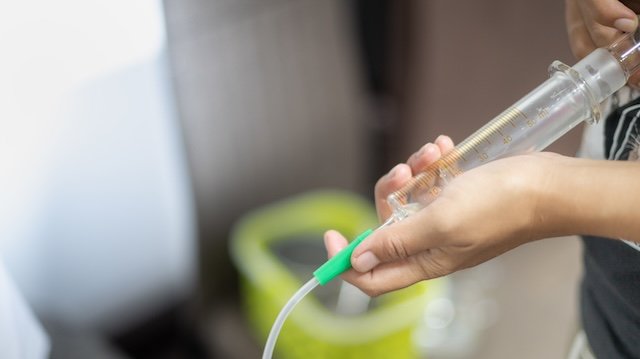
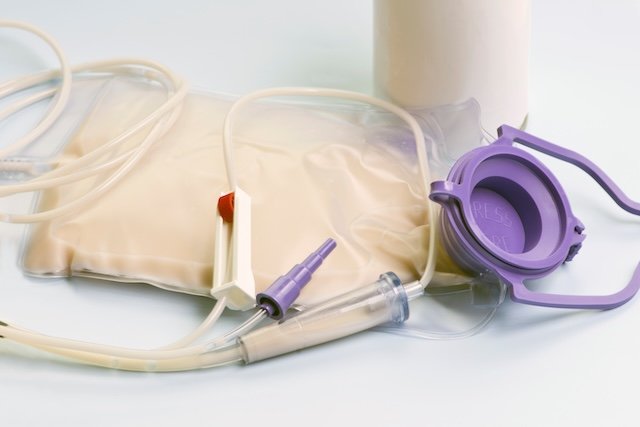
For those on multiple daily feeds, organizing supplies by schedule can save time and reduce confusion. Pre-pack kits for each feeding, including the feeding bag, extension set, syringes, formula, and cleaning wipes. Label each kit with the feed time, and consider color-coding bags to differentiate morning, afternoon, and evening feeds.
Keep Cleaning Supplies Accessible
Keeping your tube feeding supplies clean is essential and is easy when everything is organized. Keeping cleaning items within reach ensures that pumps, syringes, and reusable components stay sanitized.
Store brushes, soap, sanitizer, gloves, and wipes near the feeding area, and consider pre-portioning cleaning supplies into small containers for travel or outings. This simple habit protects your loved one from infections and makes daily care more efficient.
Share the System with Your Team
Organization works best when everyone involved in care understands the system. Create a simple instruction sheet or short video explaining where supplies are stored, how inventory is tracked, and which items are used for each feed. Sharing this information with family members, babysitters, teachers, and home health aides ensures continuity of care and minimizes errors.
Prepare for Emergencies
Even with perfect organization, unexpected situations can arise. Maintain a small emergency kit with essential supplies such as formula, syringes, extension sets, and extra pump batteries.
Keep contacts for suppliers, pharmacies, and healthcare providers easily accessible. Planning ahead helps you respond quickly to power outages, pump failures, or supply delays, giving peace of mind and protecting your loved one’s feeding schedule.
To learn more about assembling an emergency supply kit, read our blog “Tube Feeding Emergency Kit Must Haves”.
Make Organization a Routine
Consistency is key to staying organized. Establish weekly check-ins to review supplies and monthly deep-clean routines to discard expired items, wipe down bins, and reorganize your supply station.
Update logs immediately when items are used or restocked. Over time, these habits create a smoother, more predictable feeding schedule. Keeping your space organized gives you more free time and ensures you always have the supplies you need, whether you're at home or on the go. For more tips, read our blog “Traveling with a Feeding Tube”.
The Benefits of Staying Organized
Staying organized with tube feeding supplies is more than having a clean space. With an organized system, caregivers experience less stress, feeds are safer, time is saved, and emergencies are easier to handle. It also makes it easier for other individuals to step in confidently, ensuring that your loved one’s care is consistent at all times.
Tube feeding can be complex, but with thoughtful planning, it doesn’t have to be overwhelming. By taking stock of supplies, creating a central supply station, labeling clearly, rotating items strategically, embracing digital tracking, and maintaining regular review routines, caregivers can make 2026 a year of efficient, stress-free feeding care.
Start small by organizing your most frequently used supplies, then gradually expand to include backup items, emergency kits, and digital tracking. Every step toward organization improves the feeding experience, reduces stress, and allows you to focus on what matters most, caring for your loved one.
Sentido Health: You’re Partner in Tube Feeding Supplies
If you’re new to tube feeding or feeling frustrated with your current supply process, connect with a member of our team to see how Sentido can support you. At Sentido, our priority is putting people first by delivering dependable supplies, clear communication, and care you can count on.